

You don't always need the most popular app. On a crowded commute, the right download might be something you can enjoy one-handed with the sound off. At a family gathering, you may want an app that gets everyone laughing without forcing anyone to make an account. On a walk, a fun app works best when it gives you a reason to keep moving instead of pulling your eyes down to the screen.
That matters because fun apps to download aren't all fun in the same way. Some are creative sandboxes. Some are low-stakes puzzle habits. Some are social enough to energize you, and some are social enough to exhaust you. Entertainment is also a category with real staying power. One app-usage roundup reported that users spend 5.3 trillion hours in mobile apps annually, and U.S. entertainment apps average 7.3 minutes per session, which is longer than health and news categories at 2.8 minutes (mobile app usage statistics from Vox Booster).
This guide is built around the kind of break you want right now: creative, active, social, calming, or skill-building. For each app, the useful questions are simple. How long does a session feel good before it turns draining? How much social pressure is built in? Does the app push spending, notifications, or stimulation? And what should parents, teens, or adults check before downloading?
You'll also see where low-stimulation options make more sense, where timers help, when private play beats public matchmaking, and why parental controls or spending limits can matter as much as the app itself. None of these apps is universally accessible, but several work well when you match them to your attention span, sensory needs, budget, and company.
1. Roblox
If you want one app that can be a five-minute distraction, a two-hour deep dive, or a creative hobby, Roblox is the most flexible pick on this list.
The core appeal is range. You can jump into obstacle courses, role-play worlds, tycoons, social hangouts, and light action games without committing to one style forever. That variety matches a broader shift in mobile fun. Entertainment downloads reached 10.1B globally in 2025, growing 14.0% year over year, and the most downloaded apps included interactive titles like Roblox rather than only passive media apps, according to Apple's app-story roundup on entertainment trends.
Best for creative breaks
Roblox works best for people who get bored fast. If one experience feels noisy, confusing, or too dependent on strangers, you can leave and try another in seconds.
Its strongest feature isn't polish. It's abundance. Roblox Studio also gives more creative users room to build their own spaces and game logic, which makes the app feel less like a single game and more like a platform.
- Session length: Good for very short sessions or all-evening play.
- Social pressure: Moderate to high in public worlds, low in private play with known friends.
- Spending friction: Real. Cosmetics, passes, and Robux purchases are easy to stack.
- Stimulation level: Highly variable. Calm building games exist, but so do loud, chaotic servers.
Practical rule: Treat Roblox like a mall, not a single store. The first game you open may not represent the best of it.
The main drawback is quality control. Because so much is user-made, one game can feel clever and welcoming while the next feels cluttered, aggressive, or built to push purchases.
For kids and teens, the chat settings and parental tools matter. For adults, the best approach is to search with intent. Try obstacle, building, cozy, or tycoon tags instead of opening whatever is trending first.
2. Pokémon GO
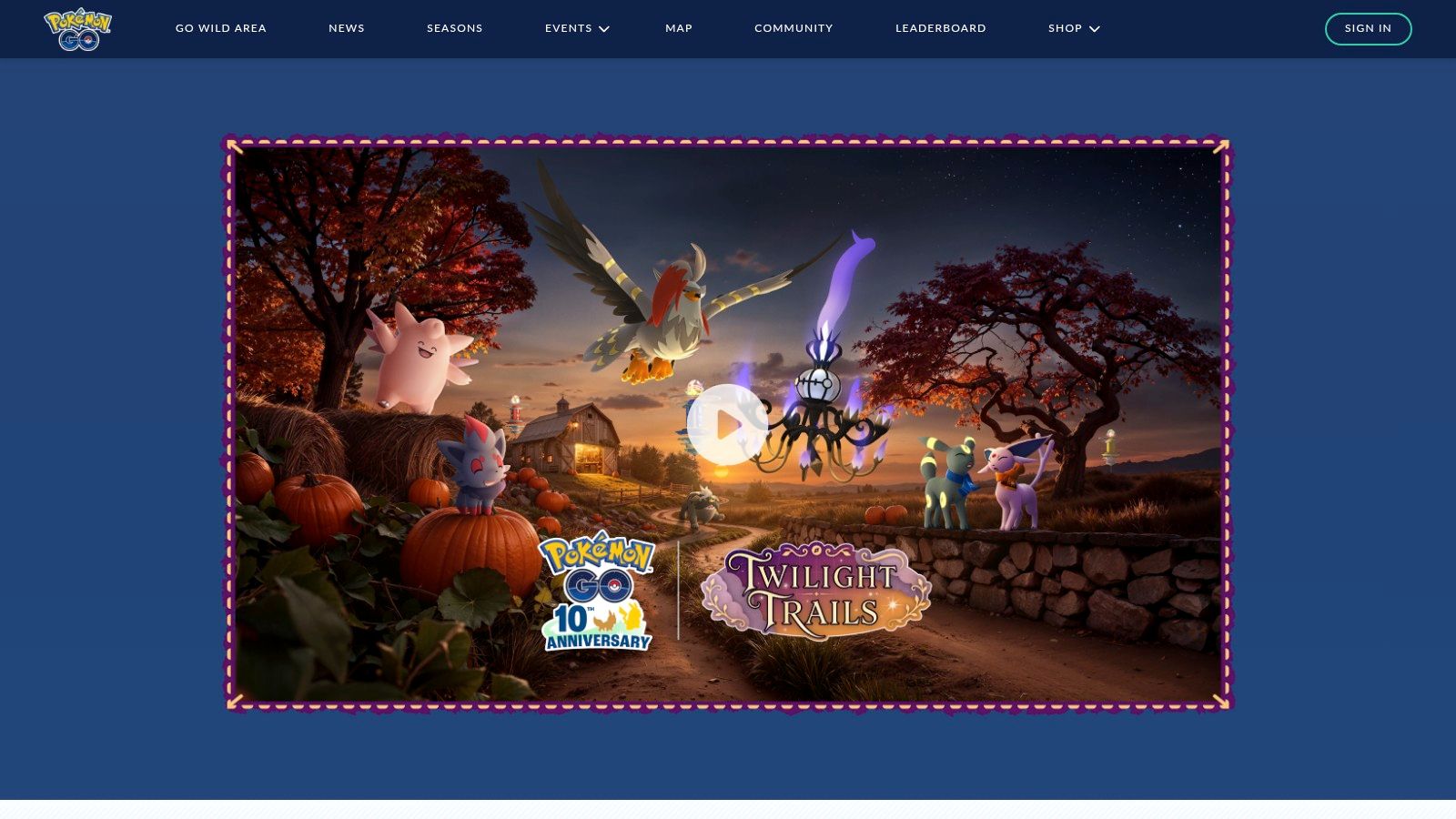
Some fun apps to download work because they fill dead time. Pokémon GO works because it changes what a walk feels like.
The app gives structure to movement. You catch Pokémon, spin PokéStops, join raids, and notice parks, landmarks, and routes you might otherwise ignore. That makes it a strong option for people who don't want a break that keeps them sitting still.
Best for active and social breaks
Pokémon GO feels best in short outdoor loops, errands, or meetups with one or two other people. It's less ideal if you want full control over pacing, because rotating events and timed bonuses can create pressure to log in on the app's schedule instead of yours.
What works:
- Low entry barrier: You can enjoy a simple catch-and-walk session without mastering every system.
- Built-in movement cue: The app nudges you outside, which can help when motivation is low.
- Flexible social layer: Solo play is viable, but local groups make raids and events more fun.
What doesn't:
- Event friction: Special tickets and paid passes can make the best moments feel gated.
- Context dependence: Weather, neighborhood walkability, battery life, and mobile data all affect the experience.
- Sensory load: AR, map clutter, event pop-ups, and timed tasks can feel busy.
A good rule is to decide your outing before you open the app. If the goal is fresh air, let the game support the walk instead of dictating it. Players who enjoy collecting without a lot of social interaction often do better focusing on catches, routes, and buddy progress rather than event FOMO.
3. MONOPOLY GO!
MONOPOLY GO! is what I recommend when someone wants something familiar, quick, and easy to understand within minutes.
It borrows the Monopoly theme but doesn't feel like digital board-game night. It feels more like a loop of rolling, building, collecting, and checking timed events. That makes it approachable for short breaks, especially if you like momentum and bright reward cycles.
Best for fast reward seekers
This is one of the easiest picks for people who want fun apps to download without a learning curve. The interface is legible, the goals are obvious, and a session can be short.
The trade-off is that the app is built around urgency. Energy systems, event windows, and layered rewards can make a casual game feel like a to-do list if you're not careful.
- Session length: Great in tiny bursts.
- Social pressure: Mild. Trading stickers and clubs add interaction without demanding constant live play.
- Spending friction: High if you're susceptible to "just one more" purchases.
- Accessibility fit: Better for players who enjoy repetition and visible progress than for those who dislike notification-heavy apps.
It feels fun when you're rolling because you want to. It feels grindy when you're rolling because a timer told you to come back.
If you download it, turn off nonessential notifications early. That one setting often determines whether MONOPOLY GO! stays a light diversion or becomes background pressure.
4. NYT Games
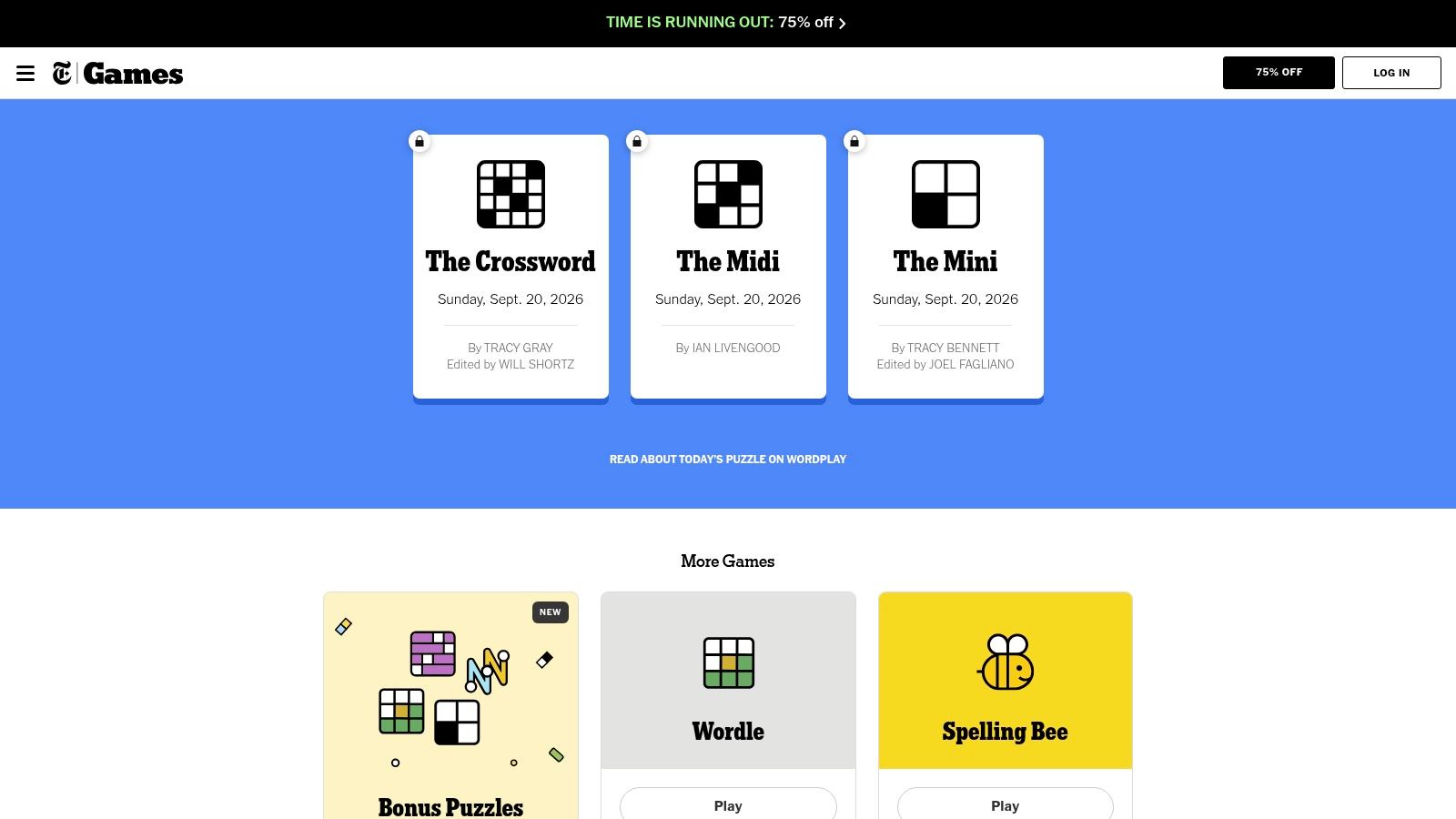
For a calmer kind of fun, NYT Games is one of the strongest downloads available. Wordle, Connections, Spelling Bee, the Mini, Sudoku, and the Crossword all live in a polished hub that understands something many entertainment apps miss. Not every break needs infinite scroll.
The structure is the point. Daily puzzles create a natural stopping place, which makes this app useful for people who enjoy routine but don't want open-ended stimulation.
Best for low-chaos brain breaks
NYT Games suits mornings, waiting rooms, and short resets between tasks. You open it, solve one thing, and leave. That containment is part of the appeal.
It also works well across different energy levels. If you're sharp, the Crossword or Connections can feel satisfying. If your brain is tired, the Mini or a quick Wordle can still give you a clean win.
- Session length: Short by design, though Crossword sessions can stretch.
- Social pressure: Very low. Sharing scores is optional and lightweight.
- Spending friction: Moderate. Some content sits behind a subscription.
- Stimulation level: Low to medium, with clean visual design and predictable interaction.
The downside is simple. If you want novelty every minute, this can feel restrained. That's exactly why many people keep it. It respects limits.
For parents and teens, this is also one of the easier apps to vet. There isn't the same public chat risk or social volatility you get in platform or multiplayer apps.
5. Duolingo
Duolingo is a skill-building app first, but it's also a fun break for people who like progress with structure. Lessons are short, the feedback is immediate, and the app turns practice into a game loop of streaks, XP, hearts, and leagues.
That means it works especially well for people who struggle to start. You don't need a long study block. You need enough attention for one quick lesson.
Best for productive fun
Duolingo is strongest when you want a break that feels light but not empty. It scratches the same itch as a casual game while giving you at least some sense of learning momentum.
Where it helps:
- Clear stopping points: One lesson is enough.
- Strong habit support: Streaks and reminders make return visits easier.
- Low setup friction: You can start immediately without much planning.
Where it can backfire:
- Competitive pressure: Leagues motivate some people and annoy others.
- Ad interruption: The free tier is usable, but ads can break focus.
- Feature inconsistency: Premium perks and advanced features vary by device and course.
If you tend to overdo productivity apps, keep Duolingo in the "fun practice" lane instead of expecting it to replace deeper study. It's best as a daily touchpoint, not your whole language plan.
6. Geocaching®
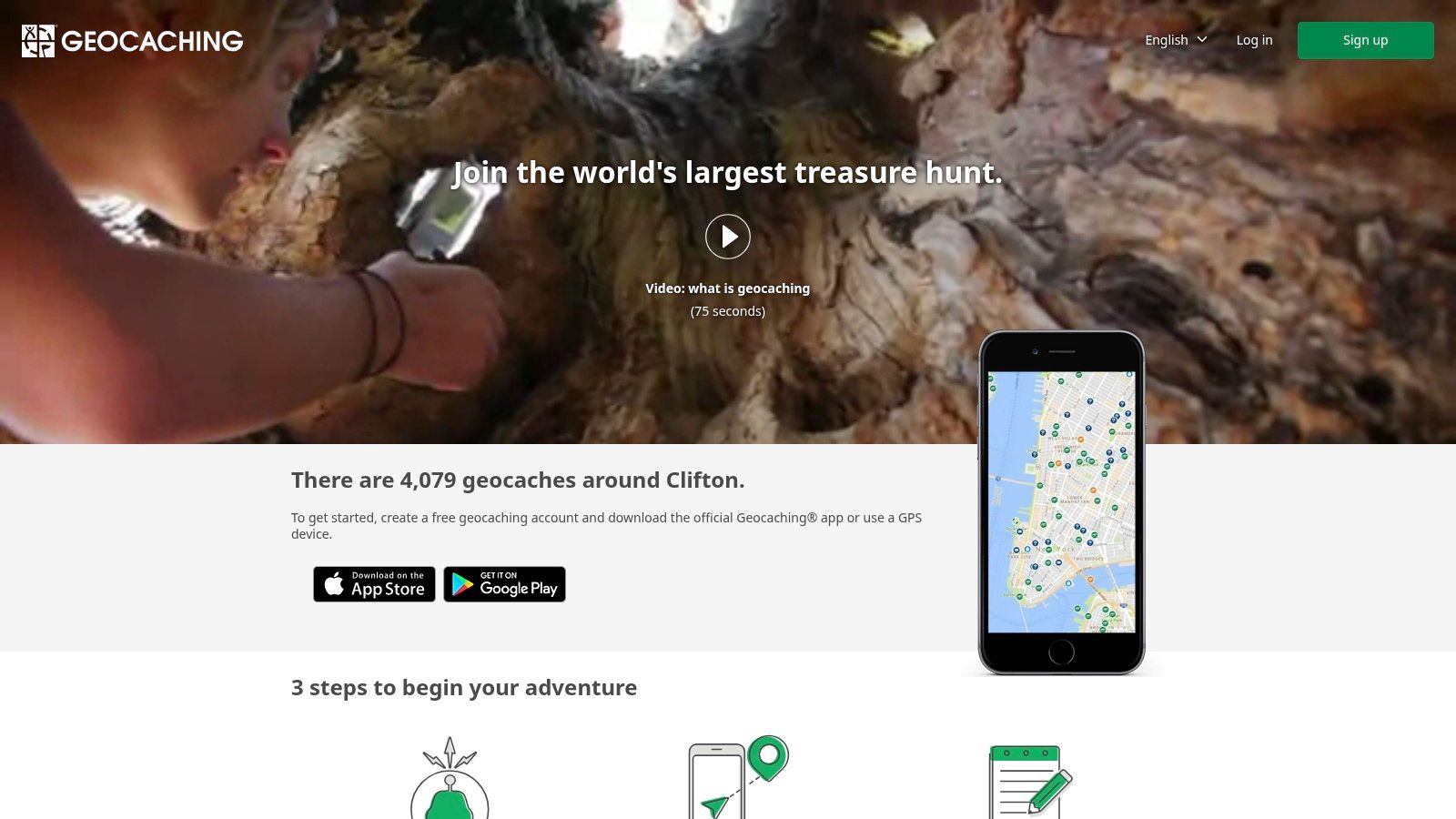
Geocaching® is one of the best fun apps to download if you want your phone to lead you outdoors and then get out of the way.
The idea is simple. Use GPS, clues, hints, and logs to find hidden caches in parks, neighborhoods, and trails. In practice, it feels like part scavenger hunt, part local exploration, and part slow puzzle.
Best for curious walkers and families
Geocaching is often better than outdoor fitness apps for people who need a reason to move, not just a reminder. Searching for something hidden creates a clear mission, which can help kids, teens, and adults stay engaged longer than a plain walk would.
That overlap with outdoor attention and sensory reset is one reason some families also look at discussions around nature deficit disorder. The app itself isn't a treatment tool, but it can support more time outside in a purposeful way.
- Session length: Flexible. A single cache can be a quick errand add-on, or a trail day can turn into a bigger outing.
- Social pressure: Low. Solo play works well.
- Spending friction: Moderate. Premium allows more advanced searching and cache types.
- Accessibility considerations: Terrain, weather, mobility, and reading clues all affect fit.
Pick your first cache by terrain and recent logs, not by distance alone. A nearby hard cache can frustrate beginners fast.
The main limitation is unevenness. Some caches are delightful. Some are missing, poorly maintained, or in awkward spots. Start with highly active locations and treat the first few outings as practice rather than a test of patience.
7. TikTok
TikTok is still one of the fastest ways to find something funny, weird, useful, or oddly specific to your interests. If your idea of fun is seeing ten niche hobbies, two recipes, a comedy sketch, and a book recommendation in one sitting, few apps match it.
It also fits the current shape of mobile entertainment. One market summary reported about 142.2 billion downloads of apps and games across Google Play and the Apple App Store in 2025, with 96.9 billion app downloads and 45.3 billion game downloads, reflecting the continuing centrality of utility and entertainment apps in mobile behavior worldwide (TechCrunch coverage of 2025 app downloads and spending).
Best for inspiration and instant variety
TikTok can be creative fuel if you use it intentionally. Watching creators cook, draw, organize, dance, explain history, or break down niche fandoms can spark your own ideas. The built-in editing flow also lowers the barrier if you want to make instead of only watch.
The issue isn't lack of fun. It's lack of edges.
- Session length: Best in short bursts, but built to stretch.
- Social pressure: Low if you stay private, much higher if you post regularly.
- Spending friction: Usually lower than game apps, though gifting and live features still exist.
- Stimulation level: High. Constant motion, sound, novelty, and algorithmic switching can be draining.
For some readers, that sliding-into-an-hour feeling is exactly why boundaries help. If compulsive use is a concern, articles on social media and addiction can be a useful starting point for thinking about app limits, cues, and routines. In practice, TikTok is most enjoyable when you decide what it's for before opening it. Recipes, laughs, creator tools, or trend watching. Not "whatever happens."
8. Heads Up!
Heads Up! is the easiest party app on this list to explain and one of the quickest to start. One person holds the phone to their forehead, everyone else gives clues, and the room gets loud fast.
That simplicity is why it works. There isn't much setup, and you don't need gaming experience to join in.
Best for family gatherings and mixed-age groups
Heads Up! shines when you need shared play without a lot of rules. It's good for holiday tables, teen groups, car trips when stopped and gathered, and casual hangouts where half the group would never agree to a longer game.
It also creates a structured way to practice turn-taking, clue-giving, reading the room, and speaking under mild pressure. That's one reason group guessing games often show up in broader conversations about social skills activities for teens.
What helps:
- Immediate payoff: You can start a round in moments.
- Low device burden: One phone is enough.
- Replay value: Different decks change the mood fast.
What to watch:
- Platform differences: Download and deck pricing can differ between iOS and Android.
- Performance pressure: Not everyone enjoys being "on" in front of a group.
- Noise level: This is not a calming app.
If your group includes shy players, let them team up instead of taking solo turns first. That one adjustment makes the app feel much more welcoming.
9. Among Us
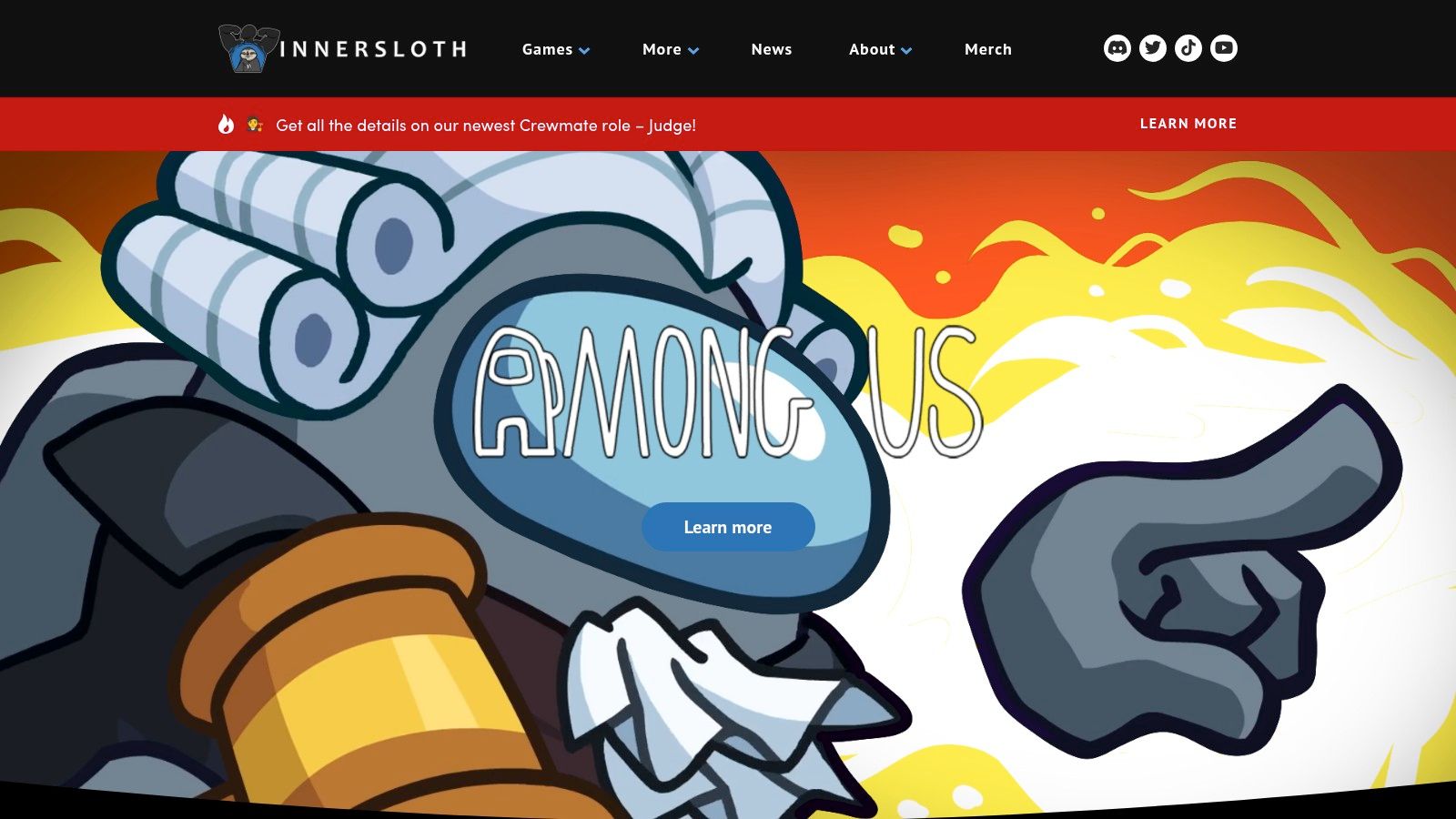
Among Us is still one of the best social-deduction games for people who like laughter, bluffing, and quick rounds with friends. Crewmates do tasks. Impostors sabotage. Then everyone argues.
That's the whole engine, and it still works because the tension comes from people, not from complicated systems.
Best for private group play
Among Us is at its best with people you already know. Cross-platform support helps because not everyone needs the same device, and private matches avoid a lot of the chaos that makes public lobbies inconsistent.
The strengths are clear:
- Short matches: Easy to fit into a break.
- High social energy: Great for group chats, sleepovers, and friend hangouts.
- Replayability: Different roles and player habits keep rounds unpredictable.
The weaknesses are just as clear:
- Public lobby quality: Hit or miss.
- Conflict level: Even playful accusation can feel stressful for some players.
- Ads and purchases: The mobile version includes both.
Some players want deduction. Others want chaos. Set the tone before the round starts and the game gets much better.
If your group includes younger players or anyone who hates confrontation, use private matches and keep voice chat expectations clear. The app is most fun when the social environment feels safe enough for playful suspicion, not personal friction.
10. Just Dance Now
Just Dance Now is the movement pick for people who want a burst of energy without owning a console. Your phone acts as the controller, and a TV or computer browser becomes the main screen.
That setup is a real advantage. It makes the app easy to bring into living rooms, dorms, classrooms, or family gatherings where you want activity fast.
Best for high-energy breaks
This app is good when sitting still has stopped being restorative. A few songs can shift the mood of a room or break up a sluggish afternoon in a way puzzle or scroll-based apps usually can't.
It also covers different use cases well:
- Solo reset: One or two songs for a private movement break.
- Group fun: Strong pick for parties and family play.
- Low barrier cardio: Helpful if you want movement without planning a full workout.
The downsides are practical rather than conceptual. You need enough space to move safely, enough internet stability to stream songs, and enough tolerance for upbeat audiovisual stimulation. For some users, that's a perfect release. For others, it's too much input.
The daily free track helps you test the format before deciding whether the VIP Pass makes sense. That's the right way to approach it. Make sure the setup fits your home and your energy first.
Top 10 Fun Apps Comparison
| Product | ✨ Core features | ★ UX / Quality | 💰 Price / Value | 👥 Target audience | 🏆 Standout |
|---|---|---|---|---|---|
| Roblox | ✨ Millions of user-created games; creation via Roblox Studio | ★★★★ | 💰 Freemium + Robux microtransactions | 👥 Kids, creators, social gamers | 🏆 Massive creative ecosystem |
| Pokémon GO | ✨ AR exploration; catches, raids, events | ★★★★ | 💰 Free + event/ticket IAPs | 👥 Outdoor players, social groups | 🏆 Real-world AR + community events |
| MONOPOLY GO! | ✨ Bite-sized mobile board gameplay; sticker trading, events | ★★★ | 💰 Free-to-play; heavy IAP/energy | 👥 Casual mobile players, friends | 🏆 Fast, event-driven social play |
| NYT Games | ✨ Daily puzzles (Wordle, Connections, Crossword) | ★★★★★ | 💰 Free basics; subscription for full access | 👥 Puzzle fans, daily habit players | 🏆 High-quality, polished puzzles |
| Duolingo | ✨ Gamified lessons, XP, streaks, leagues | ★★★★ | 💰 Free + Super/Duolingo Max subscriptions | 👥 Language learners, casual daily users | 🏆 Habit-forming microlearning |
| Geocaching® | ✨ GPS-based cache hunts; maps, logs, ratings | ★★★★ | 💰 Free + Premium subscription | 👥 Outdoor explorers, families | 🏆 Real-world treasure-hunt community |
| TikTok | ✨ Short-video creation + powerful personalized feed | ★★★★★ | 💰 Free with ads; in-app purchases/gifting | 👥 Creators, trend seekers, broad audience | 🏆 Algorithmic content discovery |
| Heads Up! | ✨ Phone-as-prop party guessing; multiple decks | ★★★★ | 💰 Paid on some platforms; IAP decks | 👥 Families, parties, mixed-age groups | 🏆 Instant, portable icebreaker |
| Among Us | ✨ Social‑deduction matches; cross‑platform | ★★★★ | 💰 Low-cost or free + IAP/ads | 👥 Friends, social groups, party gamers | 🏆 Short, social multiplayer sessions |
| Just Dance Now | ✨ Phone controller; rotating song library | ★★★★ | 💰 Free track daily; VIP pass/subscription | 👥 Parties, casual dancers, fitness players | 🏆 Console-free dance parties |
Choose the App That Fits the Moment
The easiest mistake with fun apps to download is choosing by popularity instead of context. The app that works on a quiet train ride probably won't be the one that works at a birthday party, on a family walk, or during a low-energy evening when your brain is already overloaded.
If you want a structured short break, start with NYT Games or Duolingo. Both give you a clear beginning and end, and both work well when you want to feel refreshed instead of overstimulated. NYT Games is better for low-chaos puzzle time. Duolingo is better if you enjoy progress bars, streaks, and a little more motivational friction.
If creativity is the goal, Roblox and TikTok serve different moods. Roblox is better when you want to play, build, or explore interactive worlds. TikTok is better when you want fast inspiration or creator tools, but it's also more likely to stretch a five-minute break into something much longer.
For shared play, Heads Up! and Among Us are the strongest options here. Heads Up! is the easiest group icebreaker, especially for mixed ages and casual settings. Among Us works better for a friend group that likes bluffing, teasing, and coordinated rounds. In both cases, private or familiar groups usually make the experience smoother than jumping in with strangers.
If you want outdoor activity, Pokémon GO and Geocaching® are the obvious pair, but they don't feel the same. Pokémon GO adds a game layer to a walk you were already willing to take. Geocaching® turns the walk itself into the mission. If movement is the point, Just Dance Now is the best indoor option because it asks almost nothing beyond space, a screen, and willingness to look a little silly.
Before downloading anything, check the basics that shape long-term enjoyment: platform availability, subscriptions, ad load, chat controls, notification defaults, parental controls, private-play options, sensory intensity, and spending settings. The app economy is still massive. One 2025 market report said consumer spending on apps and games reached about $166.8 billion, with apps generating $84.1 billion and games $82.7 billion, while roughly 70% of total spend came from iOS (ASOMobile's 2025 mobile app market report). In practice, that means spending friction is built into many entertaining apps, so it's worth setting boundaries early.
Start with one app, not five. Decide what kind of break you need, then try the official website or your device's app store version and see how it feels in real use. If attention, sensory regulation, social energy, or digital overuse are part of the picture, broader support resources from providers like Sachs Center may also help you choose app habits that fit your life instead of fighting it.
Sachs Center offers telehealth-based ADHD and autism evaluations, therapy, social skills support, and related resources for children, teens, and adults. If app use, attention, overstimulation, or social demands are part of a bigger neurodiversity question for you or your family, visit Sachs Center to explore their services and articles.
